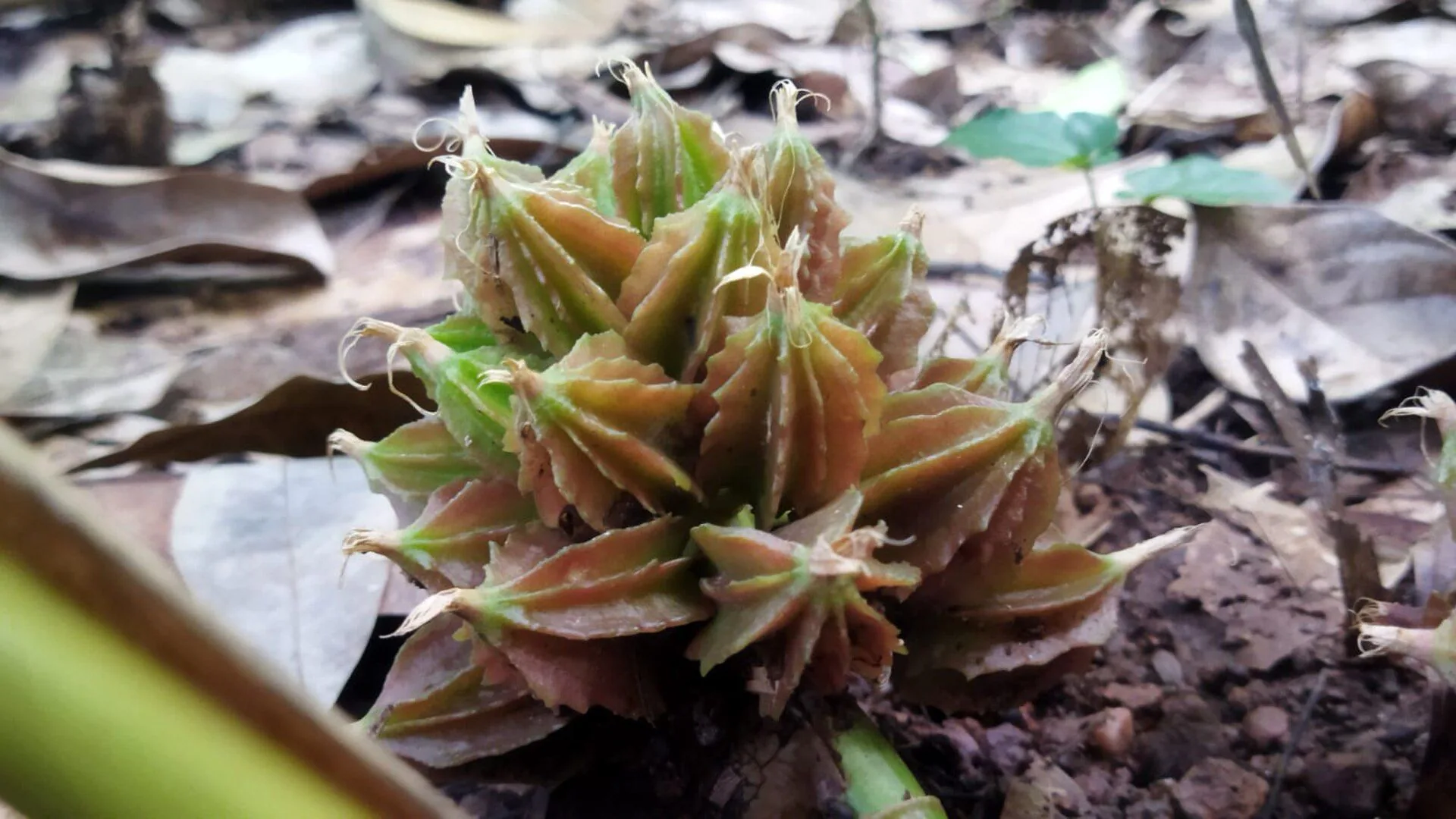
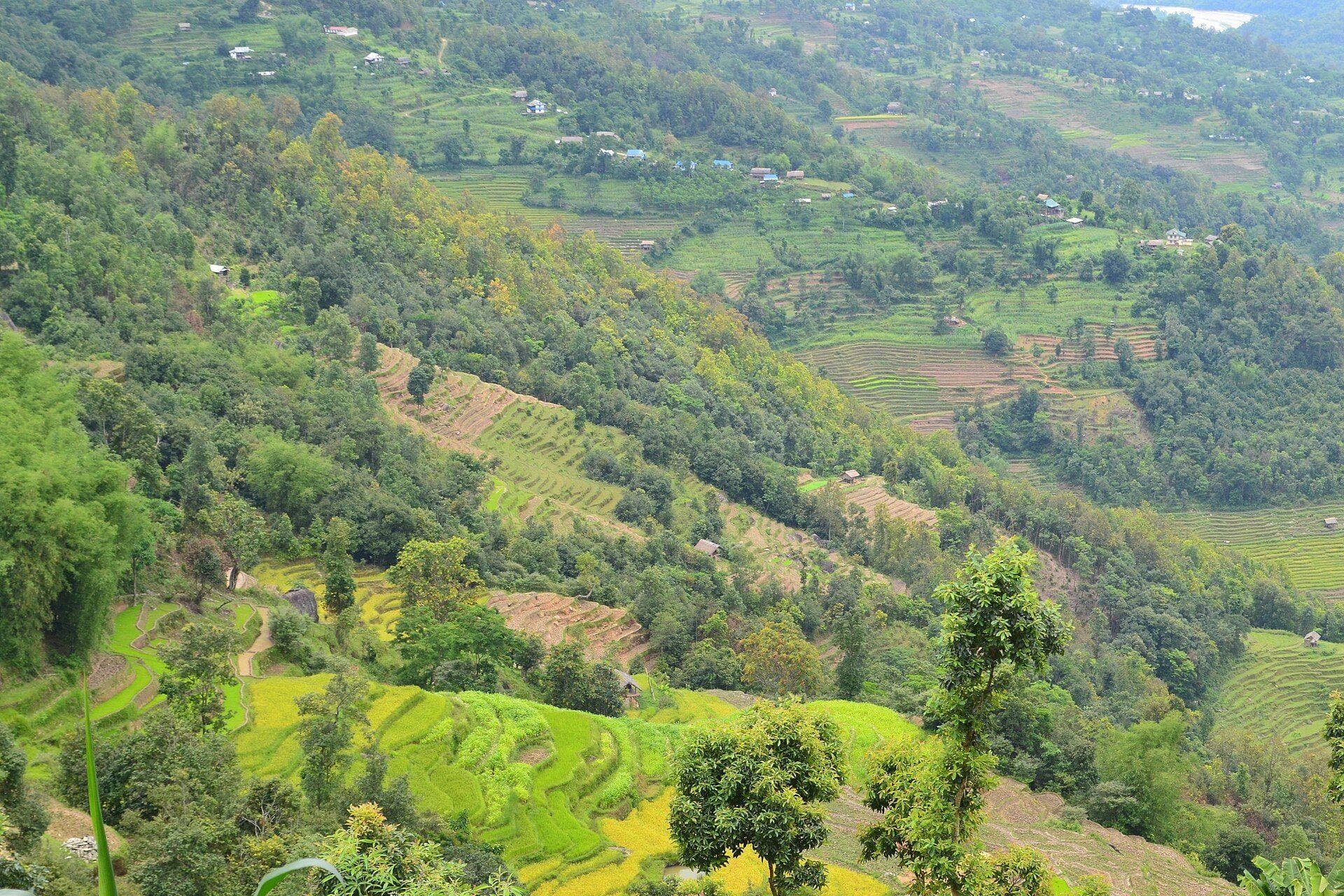
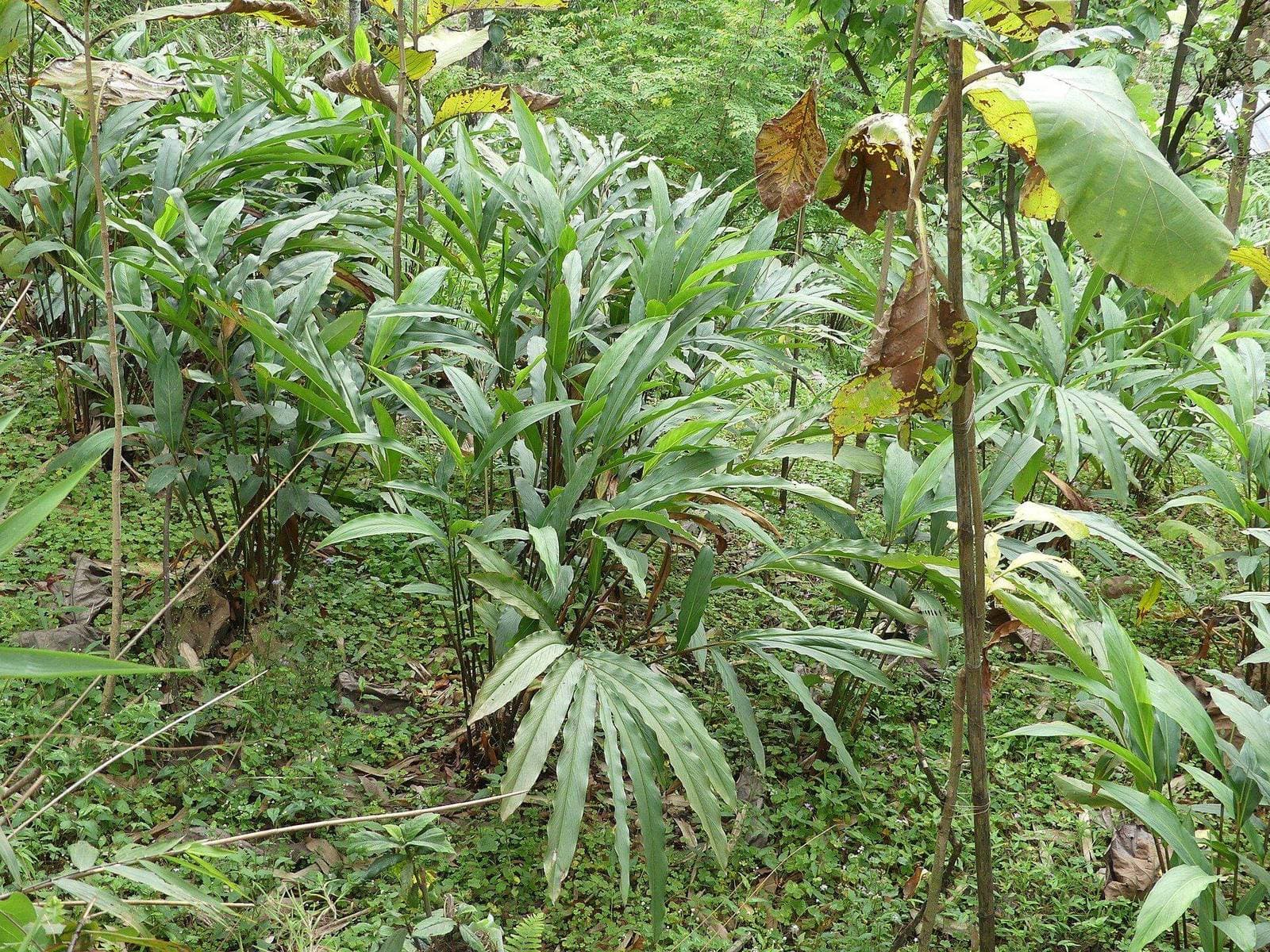
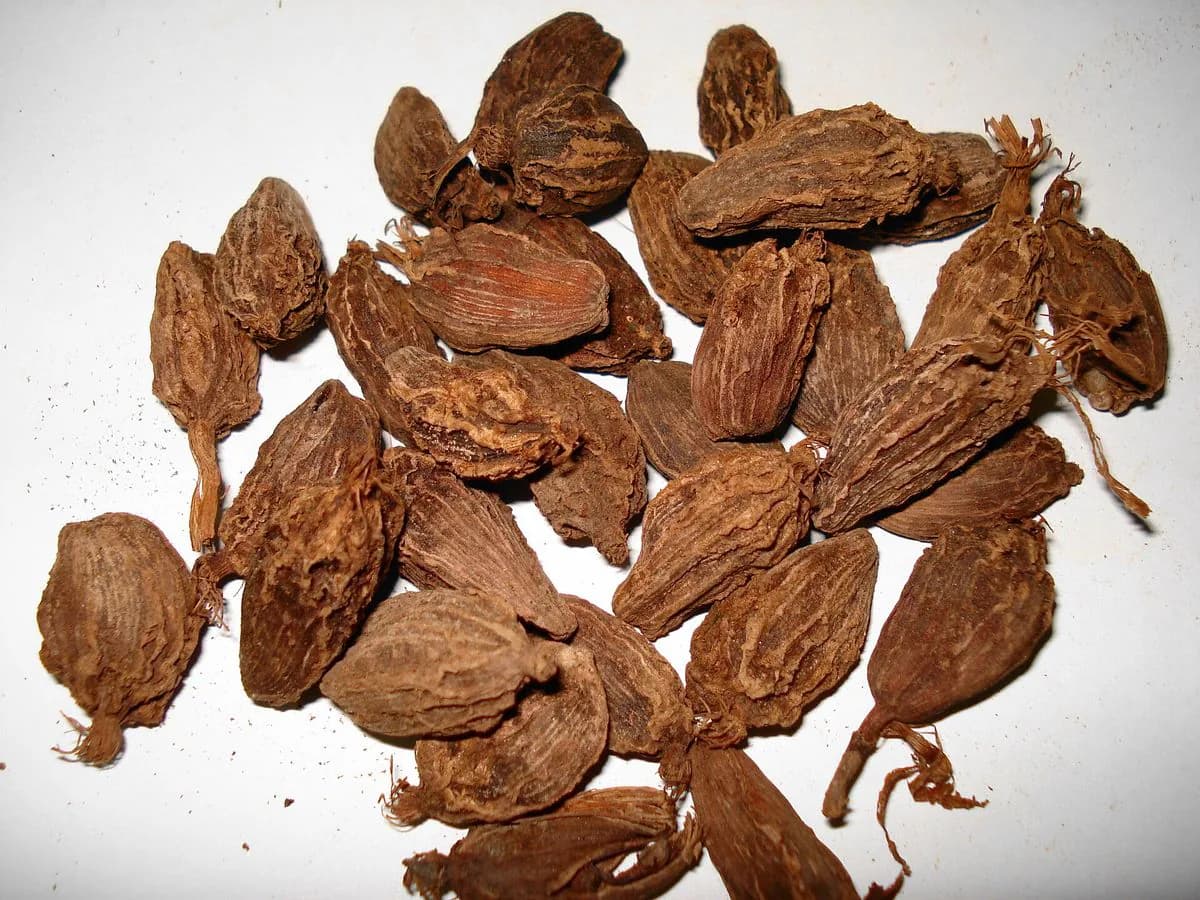
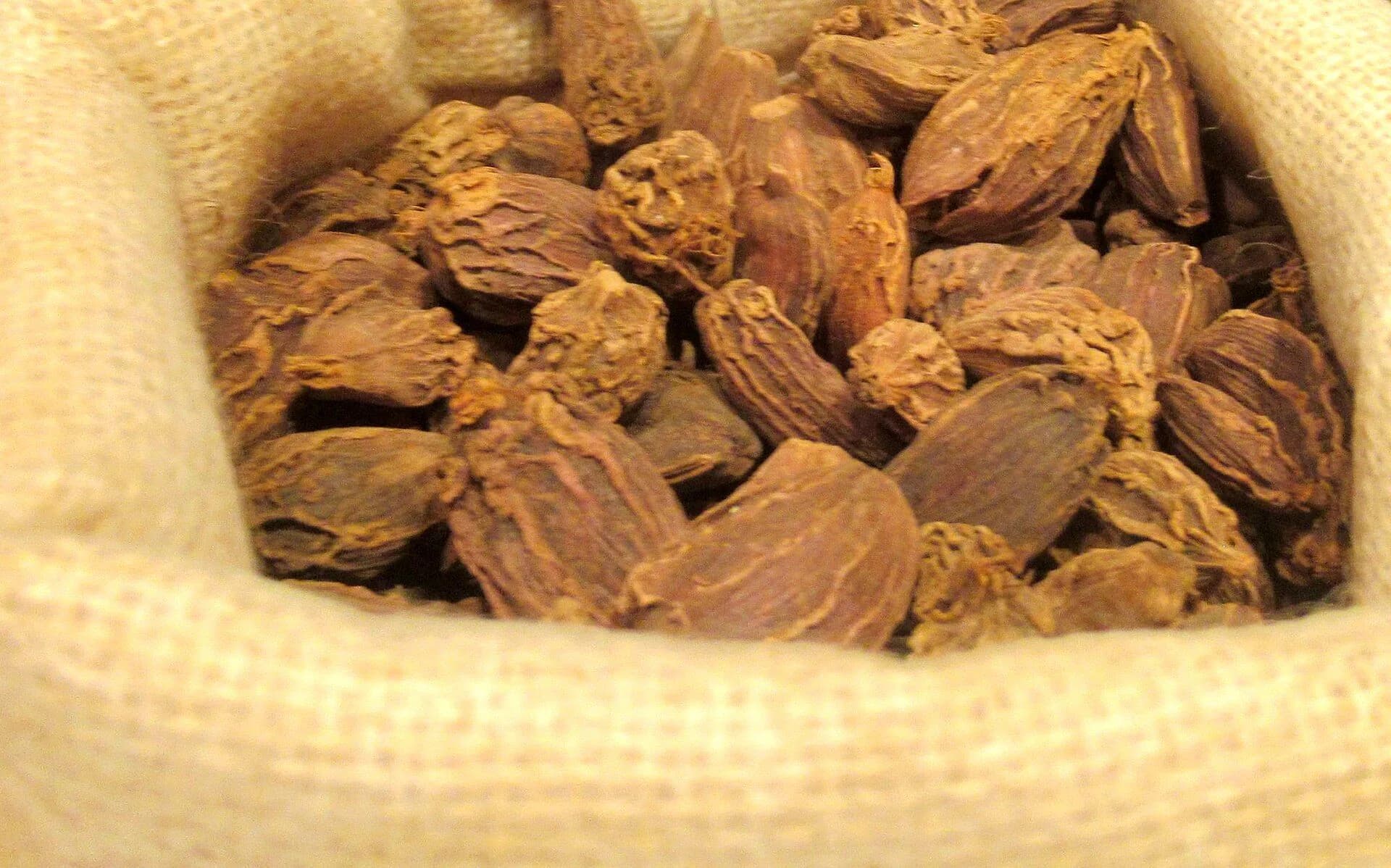
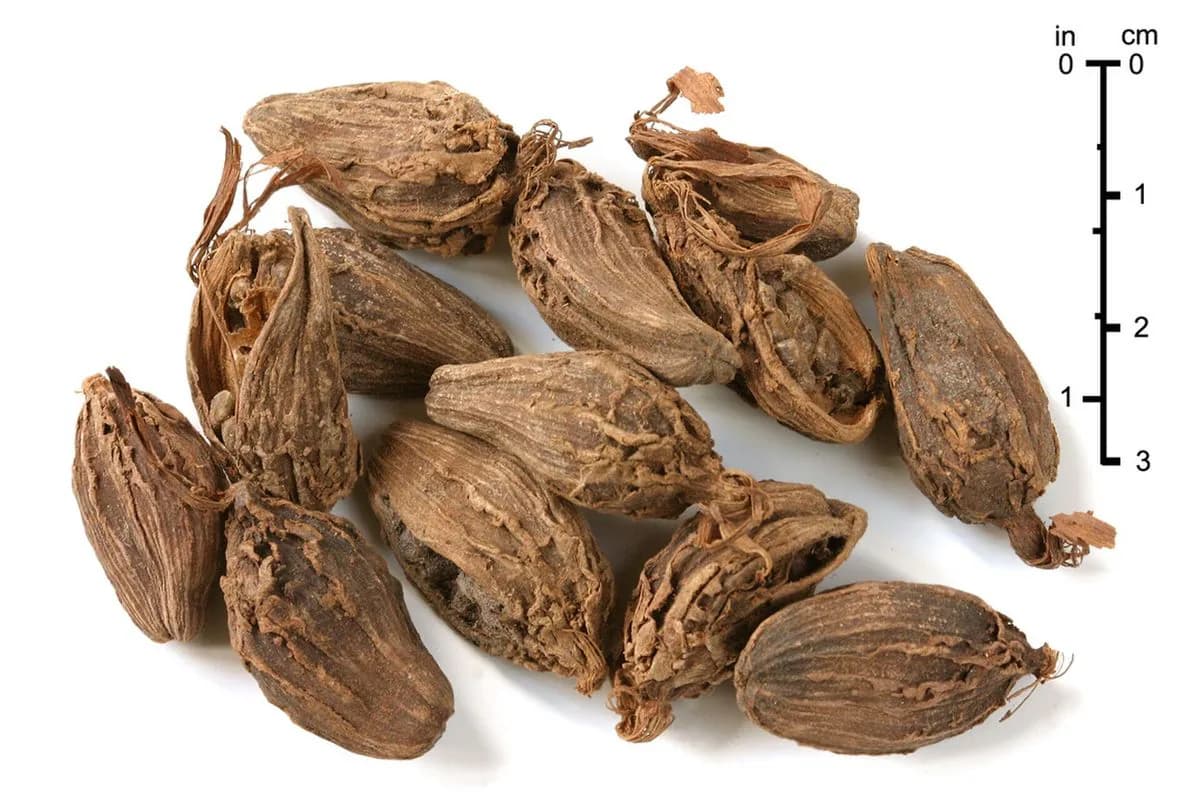
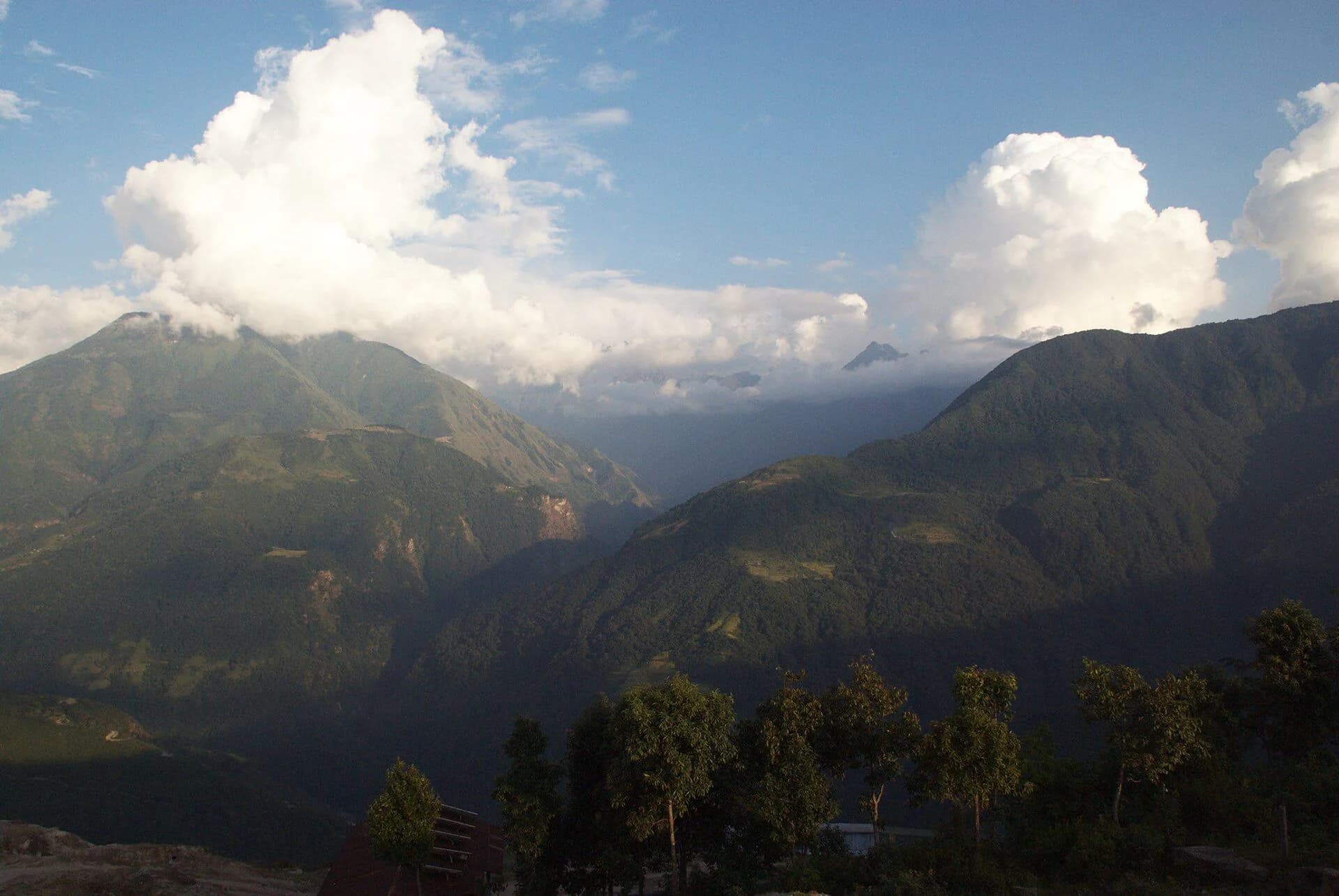
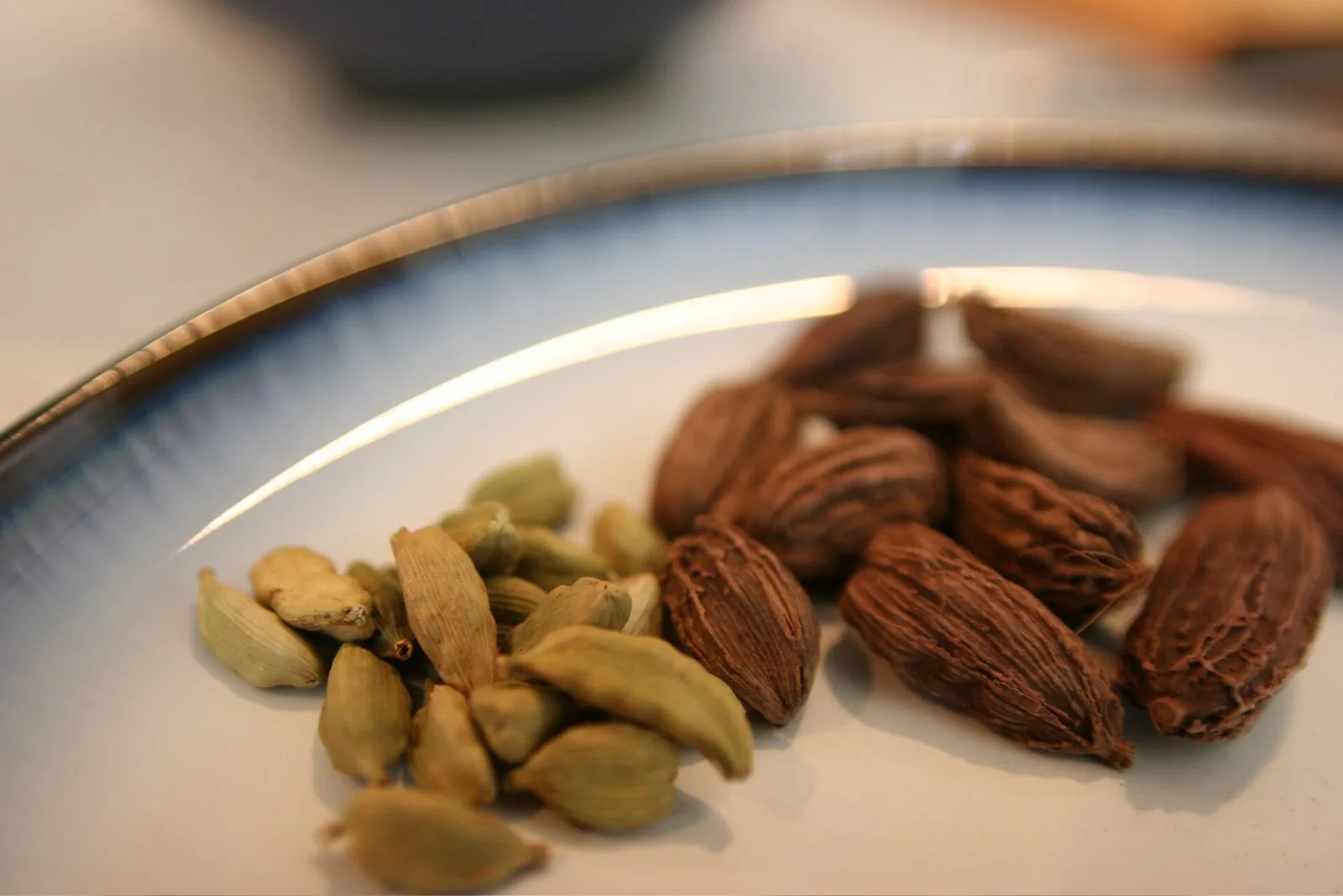
Black cardamom, known locally as alaichi (also called large cardamom, kali elaichi or badi elaichi), has grown in the eastern Himalayan hills of Nepal for over 150 years. The Sankhuwasabha district, where our farms are located, sits between 1,100 and 1,500 metres above sea level. The altitude, humidity, and soil composition of this region produce black cardamom with a distinctively rich aroma and naturally high eucalyptol content.
For decades, almost all of this black cardamom crossed the border into Siliguri, India, where it was processed, blended with cardamom from Sikkim and Bhutan, and re-exported to the Gulf and Europe under an Indian certificate of origin. That route has not gone away: India still absorbs around 99% of Nepal's large cardamom exports (Kathmandu Post). The Nepali farmers earned the farm gate price. The Indian re-exporter captured the premium.
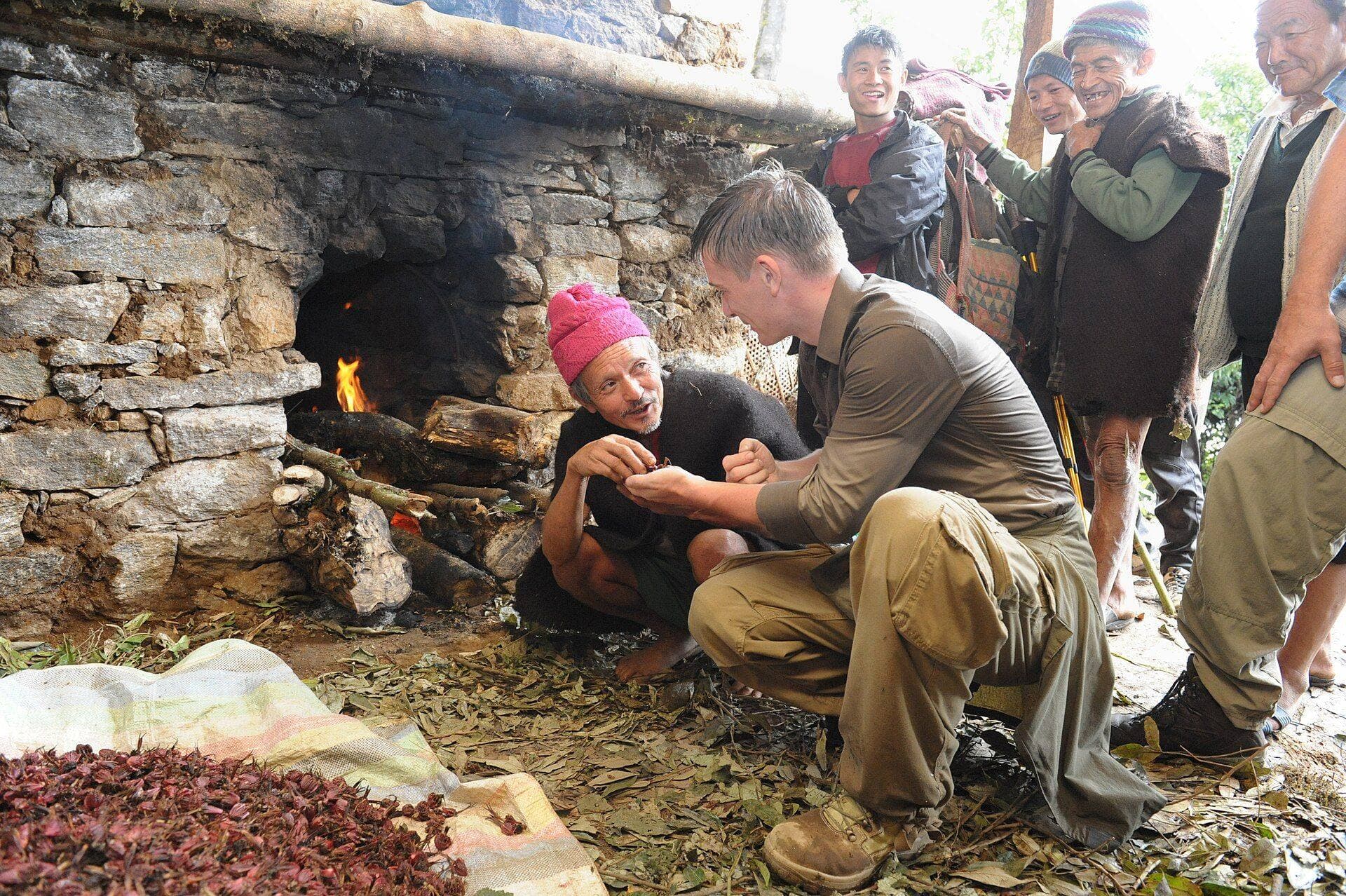
CardamomNepal, a brand of Arun Valley Exports Pvt. Ltd., changes that. As a direct black cardamom exporter, we process at source, test at source, document at source, and ship direct to your warehouse. The margin the middleman was capturing becomes a better price for you and a better income for our farming families.