Arun Valley Exports Pvt. Ltd. · Established 2026 · Kathmandu, Nepal
We are Nepal's direct black cardamom exporter.
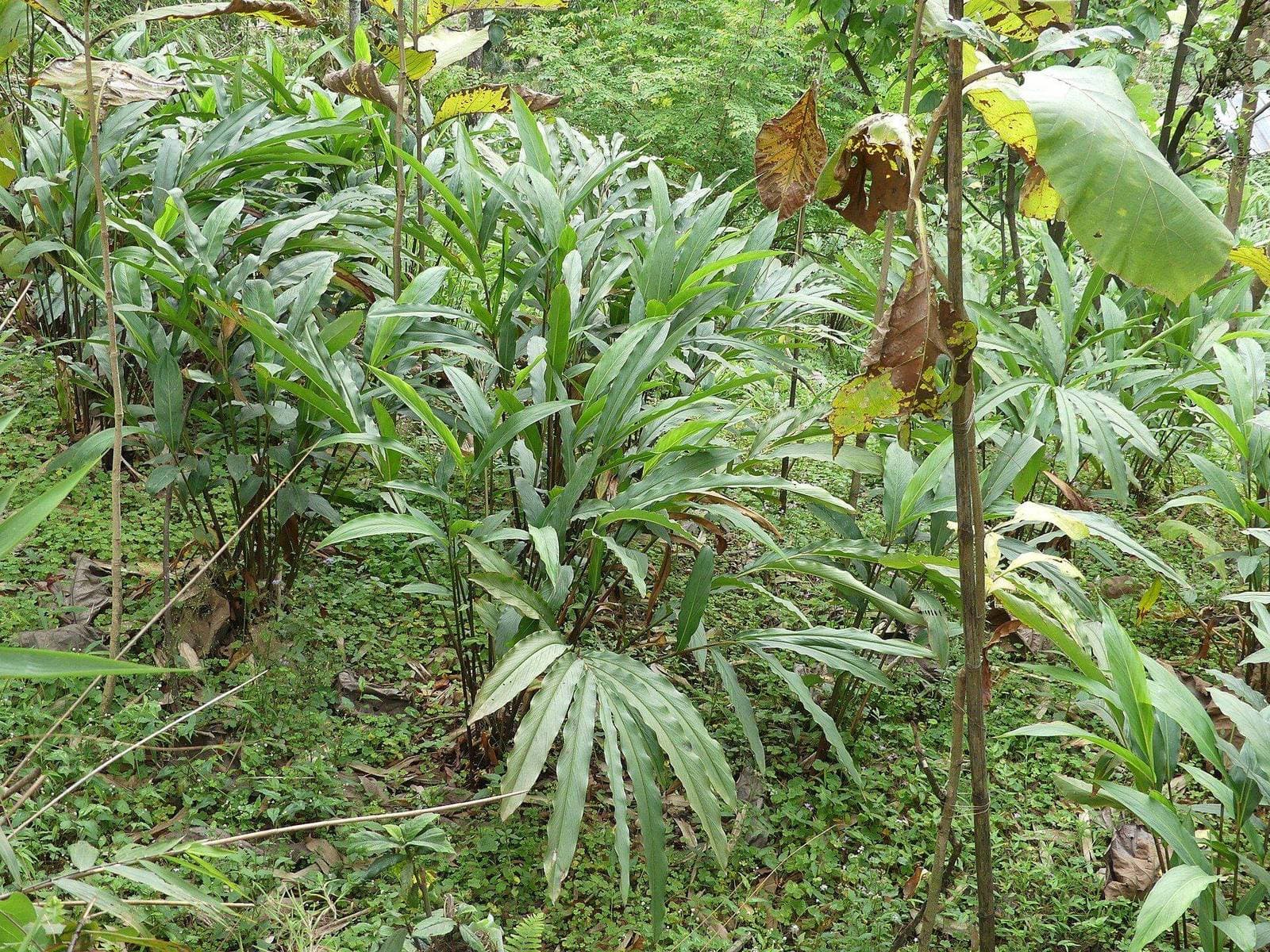
CardamomNepal is a brand of Arun Valley Exports Pvt. Ltd. We source Himalayan black cardamom (Amomum subulatum) from farming families in Sankhuwasabha, Nepal, and export directly to spice importers, private label packers, and food manufacturers worldwide, without Indian re-export intermediaries in the supply chain.
Who We Are
A Nepali agricultural export company, focused on one product.
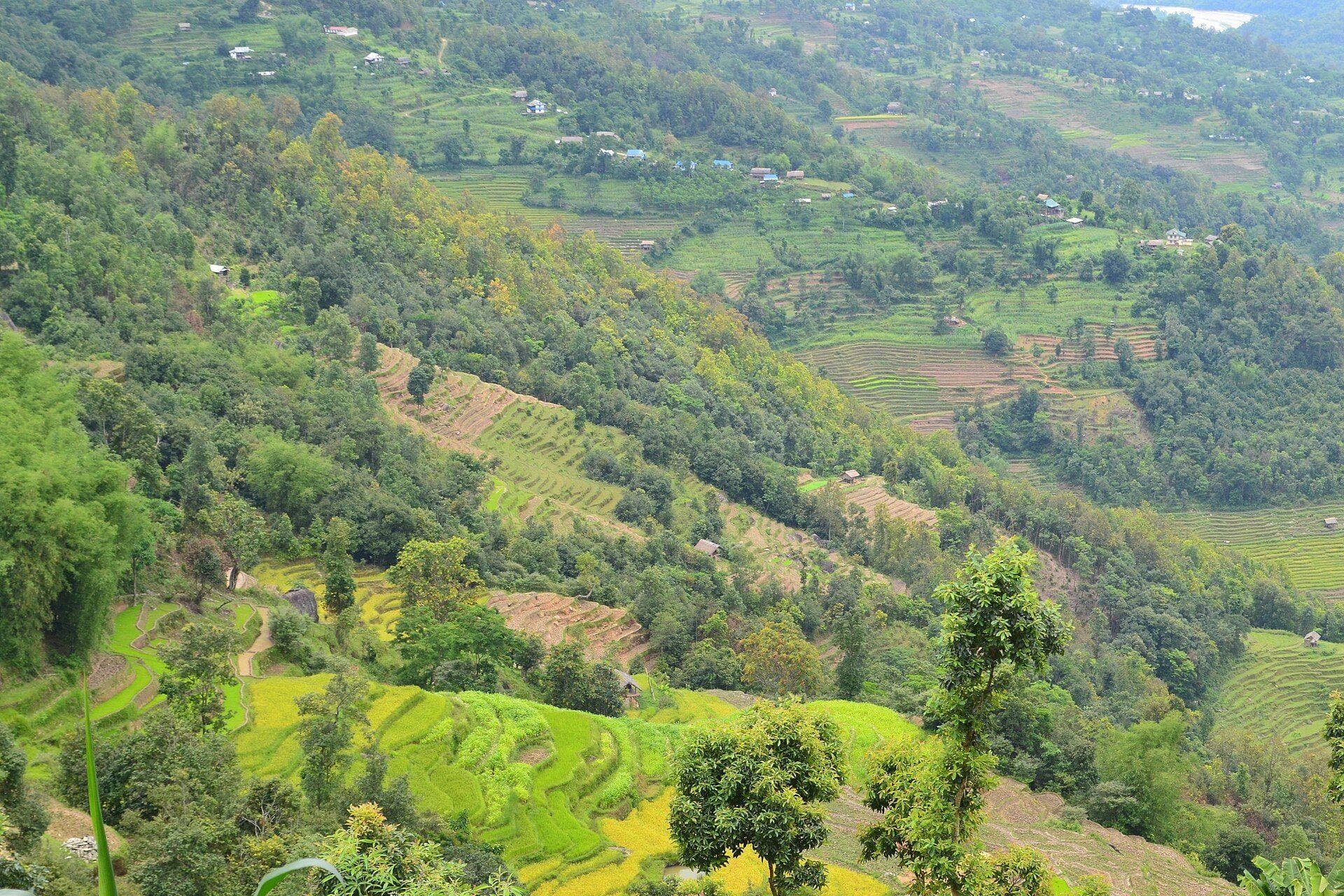
Arun Valley Exports Pvt. Ltd. is a Nepali agricultural export company based in Kathmandu, Nepal. We operate under the brand CardamomNepal (cardamomnepal.com) and specialise in a single product: Himalayan black cardamom (Amomum subulatum) sourced directly from farming families in Sankhuwasabha district, eastern Nepal.
Founded in 2026, we process at source, certify at source, and export directly, bypassing the Siliguri re-export chain entirely. Our buyers receive a product with a verifiable single-origin story, complete ISO lab documentation, and a shorter supply chain from harvest to warehouse.
Why the direct route did not exist beforeShow less
Nepal is the world's largest producer of large black cardamom, accounting for more than half of global annual supply. Despite this, almost all of Nepal's cardamom has historically crossed the border into India's Siliguri hub, where it was processed, blended with cardamom from Sikkim and Bhutan, and re-exported to the Gulf and Europe under an Indian certificate of origin. Nepali farmers received the farm gate price. The margin between farm gate and international market price was captured by the Indian re-export chain.
- Legal Name
- Arun Valley Exports Pvt. Ltd.
- Brand Name
- CardamomNepal
- Website
- cardamomnepal.com
- Registration
- Kathmandu, Nepal (OCR registered)
- Product
- Black Cardamom (Amomum subulatum)
- HS Code
- 0908.31.00
- Origin
- Sankhuwasabha district, Eastern Nepal
- Altitude
- 1,100–1,500 m
- Export Markets
- UAE, Saudi Arabia, Germany, UK, USA, Canada
- Drying Method
- Closed-flue electric heat pump, or traditional Bhatti kiln
- Moisture Standard
- ≤ 9% flue-dried / ≤ 12% Bhatti-cured
- Aflatoxin Standard
- <5 ppb (UAE and EU mandatory limit)
- Certifications
- Phytosanitary, FNCCI COO, ISO Lab Report
- Tagline
- Organic Himalayan Harvests, Direct to Trade
- Contact
- WhatsApp +977 9860149199
Our Story
The story behind CardamomNepal.
Every harvest season, from Shrawan through Bhadra, roughly late July to September, trading agents from India arrive in the villages of eastern Nepal. They move from family to family with cash, buying black cardamom at the farm gate price. The cardamom crosses the border into Siliguri, disappears into a processing facility, and emerges weeks later as a bag labelled Product of India.
For the farmers of Sankhuwasabha, this has been the only option for generations. The gap between what is paid at the farm gate and what is charged at the importing end represents a supply chain problem, not a quality problem.
Read the full founding storyShow less
Nepal produces most of the world's large black cardamom. The farmers who grow it receive a fraction of the price it eventually commands in Dubai, London, or New York.
Jeshan Rai founded Arun Valley Exports Pvt. Ltd. around a single question: why can't Nepal's best cardamom be exported directly, under Nepal's own name, with Nepal's own documentation?
The answer, it turned out, was: it can. It just had not been done at scale yet.
Arun Valley Exports Pvt. Ltd. was registered in Kathmandu in 2026. The first supply network was built around farming families in Sankhuwasabha, with a heat pump dryer installed at source alongside the village's existing bhatti kilns, so a lot can be cured either way and the method is recorded rather than assumed. The result: the same Himalayan cardamom that had been sold for decades at the farm gate price, now cured to a stated specification, tested by an ISO-certified lab, documented with a Nepali certificate of origin, and shipped directly to buyers in Dubai, Germany, and beyond.
We do not compete with Indian traders on their terms: volume, speed, and price. We compete on what they structurally cannot offer: a verifiable single-origin story, a cure you specify and we document, and a supply chain where the money stays closer to the people who grew the product.
What We Stand For
Three commitments that shape every shipment.
Traceability Over Volume
We are not a commodity broker. We do not blend across origins or seasons.
MoreLess
Every kilogram we sell is traceable to a defined harvest, from a defined farming cluster in Sankhuwasabha, dried in a facility we control, tested in a third-party lab before it leaves Kathmandu. When we give a buyer a certificate of origin from FNCCI, it reflects where that specific product actually came from.
Quality at Source, Not at Destination
Our standard is enforced at harvest, not repaired on arrival.
MoreLess
The traditional supply chain assumes quality problems are solved by re-processing at the destination: steam sterilising, UV treating, and mechanically cleaning a product that was contaminated at origin. We believe that is the wrong model. In practice ours means curing within six hours of picking on a line the buyer specifies, moisture monitoring at every stage, and tail-clipping before packing.
Fair Economics in the Supply Chain
The margin that previously went to the re-export chain does not simply become profit for us.
MoreLess
Part of it is returned to farming families through advance payments before harvest, the kind that give farmers the security to hold their crop rather than selling at the first offer. Advance payments, a minimum price per kilogram, and a closed-flue dryer installed in Sankhuwasabha alongside the village's bhatti kilns are the concrete differences our model makes.
The People Behind the Product
3 people, plus a network of farming families in Sankhuwasabha.
Ajit is the origin end of this company. He farms his own land in Sankhuwasabha and collects the crop from the growing families around it, as his family has done for generations — which is where the curing judgement on our Bhatti lots comes from.

Jeshan co-founded Arun Valley Exports to sell Nepali black cardamom directly to international buyers, under Nepali documentation, instead of through the Indian re-export chain that has taken the margin on this crop for decades.

Bijay co-founded Arun Valley Exports with Ajit Rai and Jeshan Rai.
By the Numbers
Verifiable specifications, per shipment.
Growing altitude of our Sankhuwasabha farms, which produces the highest eucalyptol concentration
Certified per line, flue-dried or Bhatti-cured, tested every batch before shipping
UAE and EU mandatory import limit, confirmed by ISO lab report per shipment
Commission Regulation (EU) 2023/915, Annex INepal grows roughly 52% of the world's large cardamom, ahead of India at 37% and Bhutan at 11%.
Kathmandu PostMoisture and aflatoxin are per-shipment tested values from the lot you are buying, not estimates, and the lab report is issued with the goods. Altitude is our own farm data. Cited figures link to their source.
Our Commitments
What we commit to every buyer.
We understand that sourcing from a new supplier involves risk, especially when you are a procurement manager responsible for a supply chain your company depends on. Our commitments are practical, not aspirational.
If anything goes wrong with your shipment (documentation error, quality discrepancy, customs delay), you have a direct contact at Arun Valley Exports who owns the problem and resolves it. We are a small company. That is a feature, not a limitation.
Why Direct From Nepal
Why buying direct from Nepal matters.
Certifications
Every shipment is fully documented.
We do not ask buyers to trust us. We give them the documents to verify us.
Pest-free and mould-free at source, UAE MOCCAE mandatory
Verified Product of Nepal, enables single-origin provenance claim
Aflatoxin B1 <5ppb, pesticide-free, moisture and PAH reported per line
On company letterhead with HS code 0908.31.00 and Incoterm
Phytosanitary compliance for air freight
Full certification details, anonymised lab report samples, and grade specification sheets are available on our Quality & Certifications page.
About CardamomNepal: FAQ
Questions about Arun Valley Exports.
The questions procurement managers and importers ask before they place a first order with a Nepal-based exporter.
Who owns CardamomNepal?
CardamomNepal is a brand of Arun Valley Exports Pvt. Ltd., a private limited company registered in Kathmandu, Nepal. The company was founded by Jeshan Rai, who manages buyer relationships and export operations directly.
Is CardamomNepal a farm or a trading company?
We are an export company with a direct and exclusive relationship with farming families in Sankhuwasabha, Nepal. We do not own the farms, the land is owned by the farming families we work with. What we own and operate is the post-harvest processing: the closed-flue drying facility and the bhatti kilns beside it, the grading and packing operation, and all export logistics and documentation. This model allows us to guarantee full traceability while keeping land ownership and income with the farmers.
How long has CardamomNepal been exporting?
Arun Valley Exports Pvt. Ltd. was registered in Kathmandu in 2026. We are a young company with a focused supply chain and a long-term commitment to the Sankhuwasabha farming community. We are transparent about our age, and we offer free samples and full documentation so buyers can verify our quality before committing to volume.
Are you registered to export from Nepal?
Yes. Arun Valley Exports Pvt. Ltd. holds: Company Registration Certificate (OCR, Kathmandu), PAN Certificate (IRD), Export License (Department of Commerce, Singha Durbar), EXIM Code (Department of Customs), Agricultural Export Permit (Department of Agriculture, Harihar Bhawan), FNCCI Membership (for Certificate of Origin issuance), and TEPC Registration (Trade and Export Promotion Centre). All are current and available to verified buyers on request.
Do you offer organic-certified black cardamom?
Our cardamom is naturally grown without synthetic pesticides or fertilisers, confirmed by our ISO lab reports which show pesticide residues below EU and UAE MRL limits. We are pursuing organic certification and will publish updates on our certifications page when it is formally awarded. Buyers who require organic certification at the time of ordering should contact us to discuss timeline and requirements.
How do I know the cardamom actually comes from Nepal?
Every shipment includes an FNCCI Certificate of Origin, the official document issued by the Federation of Nepalese Chambers of Commerce and Industry confirming Nepali provenance. In addition, our phytosanitary certificate is issued by the Nepal Department of Agriculture, and our company registration, export license, and EXIM code are all Nepali government-issued documents. Unlike re-exported product, we have no incentive to obscure origin. Nepal provenance is our entire value proposition.
Still have questions? Contact us directly →