Supplier
A black cardamom supplier at origin, not a re-exporter.
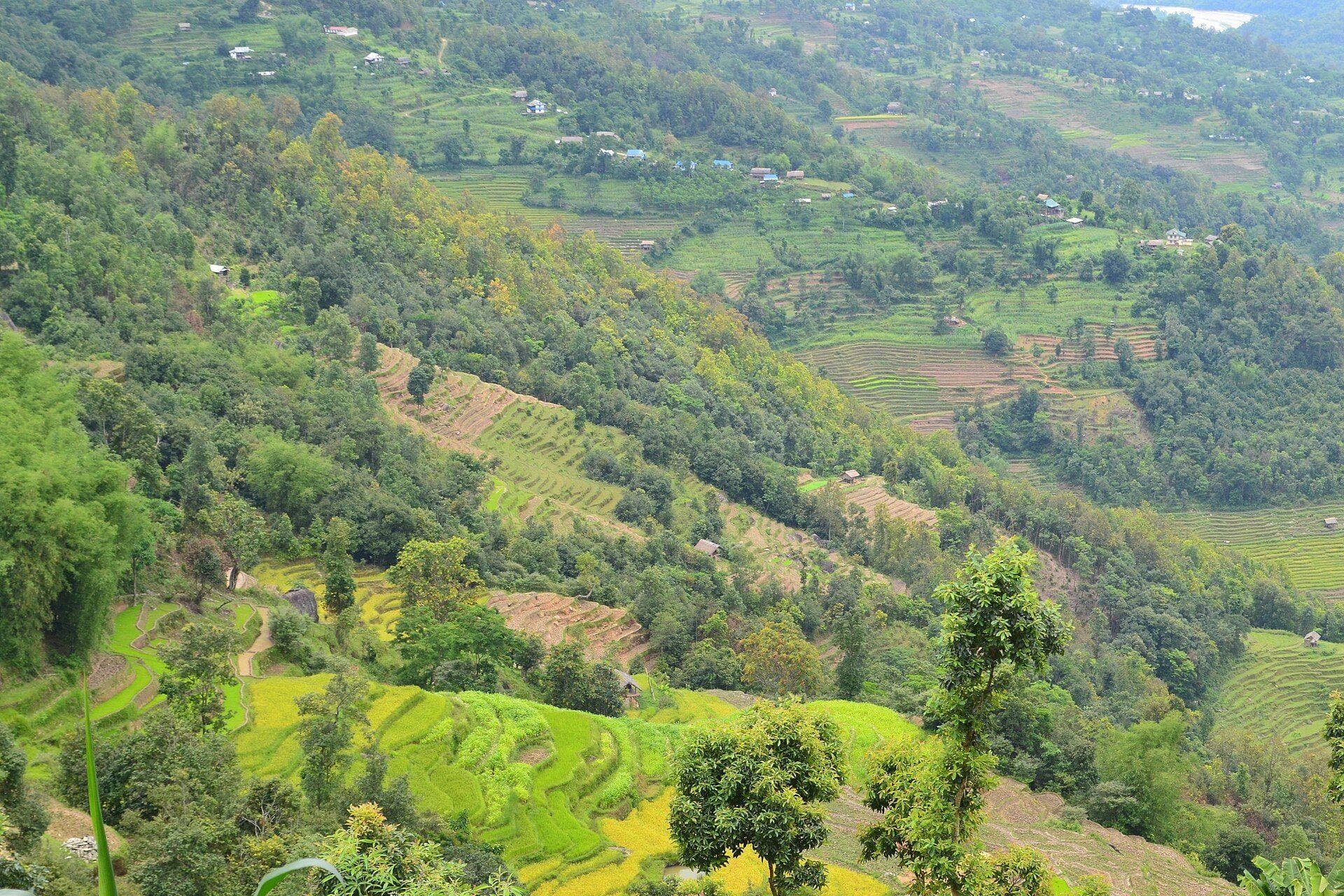
Single-origin Amomum subulatum from Sankhuwasabha, eastern Nepal. Graded, cured on the line you nominate, lab-tested per lot, and shipped under Nepali documentation.
Terms, up front
- Minimum order
- 25 kg (one sealed jute sack)
- Wholesale from
- 500 kg
- Indicative FOB Kathmandu
- USD 13–19/kg (indicative)
- Grades
- Bold, Medium, Fine
- Drying
- Flue-Dried or Bhatti-Cured
- Moisture
- ≤ 9% flue-dried / ≤ 12% Bhatti-cured
- Aflatoxin
- <5 ppb, tested per lot
- Payment
- 100% T/T advance on a first order; LC at sight thereafter
Full pricing, including a landed-cost calculator for your own port and Incoterm, is on the price page.
What you are actually buying differently
Origin you can name
Single-origin from Sankhuwasabha, 1,100–1,500 m, grown under native alder shade. Not blended across districts, not consolidated with Sikkim or Bhutanese crop, and not routed through a border hub before it reaches you.
A cure you specify
Two lines, and the choice is yours per order rather than ours. Closed-Flue Electric for the cleanest analytical numbers; Traditional Bhatti for the smoke the spice is bought for. Which line a lot was dried on is stated on its documentation.
A lab report before you pay
The current report goes out with the quotation, not after the invoice. Testing is by a third-party laboratory in Nepal rather than in-house, because a supplier's own numbers are worth less than an independent one's.
Nepali paperwork
An FNCCI certificate of origin and a Department of Agriculture phytosanitary certificate. This is the difference between cardamom sold as Nepali and the same cardamom re-exported under someone else's documents — and, in the EU and UK, it is what a preferential duty claim rests on.
Where we ship
Each page sets out that market’s regulator, required documents, ports and duty treatment.
What buyers ask before a first order
Are you a farm or a trading company?
An export company with a direct relationship with farming families in Sankhuwasabha. We do not own the farms — the land belongs to the families who grow on it. What we own and operate is the post-harvest side: the drying facility and bhatti kilns, grading and packing, and all export documentation. That model keeps land and income with the growers while giving a buyer traceability to a named district.
What is your minimum order?
One sealed 25kg jute sack is the minimum trial order; 500kg reaches wholesale pricing. Samples of 200–500g are couriered to qualified buyers so you can assess pod size, aroma and moisture before committing.
How do I know the cardamom is actually from Nepal?
Every shipment carries an FNCCI certificate of origin naming Nepal, and a phytosanitary certificate from Nepal's Department of Agriculture. Both are Nepali government-issued documents. Ask any supplier which district a lot grew in: a specific answer signals a short supply chain, a vague one signals a re-packed lot.
Why buy from Nepal rather than an Indian supplier?
Often you would be buying the same crop, just earlier in the chain. Nepal grows roughly half the world's large cardamom and around 99% of its exports go to India first, where much is re-graded and re-exported. Each intermediary adds margin without improving the cardamom. Buy at origin and you pay for the crop and the logistics rather than for the detour.
What payment terms do you offer?
First-time buyers: 100% T/T advance. Established buyers may arrange letter of credit at sight, or 50% advance plus 50% against scanned shipping documents. We invoice in USD, EUR or AED, and bank details are issued on the proforma invoice.
Shipment Record
We would rather show you paperwork than praise.
We are a young exporter and we are not going to pretend otherwise. Rather than publish buyer quotes you have no way to check, this space will carry the shipping record itself — destination port, grade, volume, cure and clearance time — published from the 2026/27 season as consignments dispatch.
Until then, what we can put in front of you today is documentary: a per-lot ISO laboratory report, the phytosanitary certificate and certificate of origin that accompany every shipment, and a 200–500g sample of the exact lot we would ship you.